What are Contingent Liabilities: Definition and Examples

Entities must also consider the materiality of the contingent liability when assessing and reporting it. Materiality is determined based on the impact the liability could have on the entity’s financial position, net profitability, and cash flow. Let’s see some simple examples of the contingent liability journal entry to understand it better. Master the fundamentals of financial accounting with our Accounting for Financial Analysts Course. This comprehensive program offers over 16 hours of expert-led video tutorials, guiding you through the preparation and analysis of income statements, balance sheets, and cash flow statements.
What is the difference between contingent liabilities and provisions?
However, if the chances of a contingent liability are possible but not likely to arise soon, estimating its value is not possible, and it should only be disclosed in the footnotes of the financial statements. If the liability’s occurrence is probable and can be estimated, you’ll debit (increase) expense accounts and when is a contingent liability recorded credit (increase) liabilities. If not, you’ll only disclose the contingent liability in the notes to the financial statements.

Four Potential Treatments for Contingent Liabilities
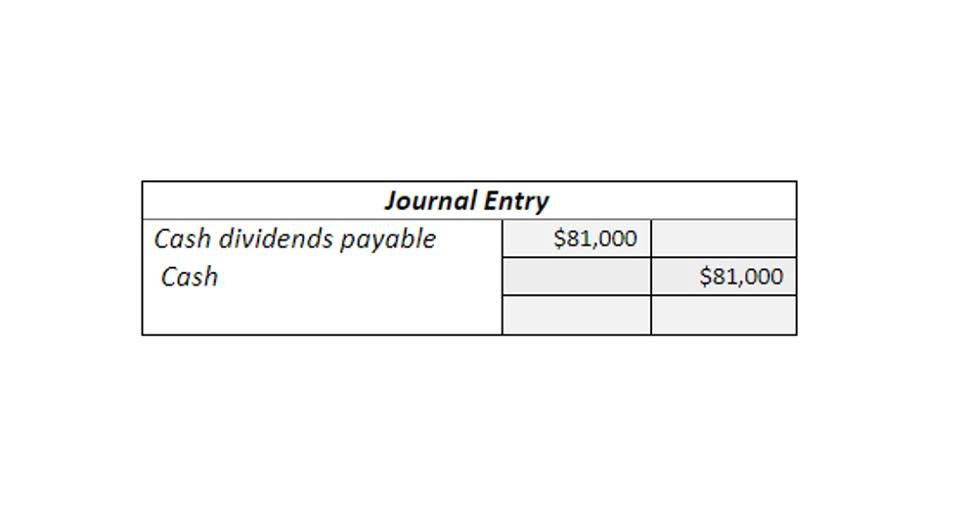
When a contingent liability becomes a probable liability, a journal entry is made to record the liability in the accounting records. The entry should include a debit to the appropriate expense account and a credit to a liability account. The reason is that the event (“the injury itself”) giving rise to the loss arose in Year 1.

Full Disclosure Principle

For example, investors might determine that a company is financially stable enough to absorb potential losses from a contingent liability and still decide to invest in it. But a contingent liability needs to be large enough to be able to truly affect a company’s share price. Product warranties are a common example of contingent liability, where a company creates a liability for potential costs of repairs or replacements under the warranty. This is typically recorded by debiting Warranty Expense and crediting Warranty Liability. A contingent liability is a type of liability that may occur in the future due to an event that has already taken place.
Parent companies typically guarantee the loan borrowing of their subsidiaries. Appropriate monitoring guarantees are fundamental in establishing the guarantor’s future risk profile. Contingent liabilities are incurred on a conditional basis, where the outcome of an uncertain future event dictates whether the loss is incurred. Yes, some insurance policies cover contingent liabilities, such as product liability insurance, which covers the risk of potential lawsuits arising from defective products. Do not confuse these “firm specific” contingent liabilities with general business risks.
- The liability would be considered a short-term liability if the expected settlement date is within one year of the balance sheet date.
- For instance, a company may list an ongoing lawsuit where the outcome is uncertain as a reasonably possible contingent liability.
- Comprehensive footnotes ensure that investors and other stakeholders understand the full scope of potential liabilities and the rationale behind their non-recognition on the balance sheet.
- Warranty liability is considered to be a contingent liability since it’s often unknown how many products could be returned under a warranty.
- The dependency on a future event is the second key characteristic that determines the accounting treatment.
- Instead, Sierra Sports willinclude a note describing any details available about the lawsuit.When damages have been determined, or have been reasonablyestimated, then journalizing would be appropriate.
- However, when disclosing contingencies related to pending litigation, it’s important to avoid revealing the company’s legal strategies.
A loss contingency which is possible but not probable will not be recorded in the accounts as a liability and a loss. Furthermore, stakeholders such as investors, regulators, or creditors can confidently make decisions using this data, knowing the possible future obligations of the company. The practice https://mycodingmaster.com/budget-development-tips-blending-top-down-bottom/ of documenting contingent liabilities is a reflection of sound financial management and compliance with accounting standards. First, we will define key terms and provide real-world examples to conceptualize contingent liabilities.
- That said, there can be a variety of techniques to use to help evaluate contingent liabilities and weigh their risk.
- But overall, contingent liability insurance is designed to be a safety net for unpredictable exposures that could severely impact finances in the future.
- For example, in the case of Samsung and the lawsuit with Apple, the estimated value of the contingent liability was $700 million.
- If the liability’s occurrence is probable and can be estimated, you’ll debit (increase) expense accounts and credit (increase) liabilities.
These are liabilities which may or may not become actual based on the outcome of a future event. Contingent liabilities refer to potential obligations that may arise depending on the outcome of a future event. These are obligations that have a slight chance of occurring, usually less than 10%. Remote contingent liabilities may be disclosed in the footnotes but generally do not require accrual or disclosure. An example is a lawsuit that a company is confident it will win based on past legal precedents and evidence.
FAQ: Contingent Liability Journal Entry
Since the company has a three-year warranty, and it estimated repair costs of $5,000 for the goals sold in 2019, there is still a balance of $2,200 left from the original $5,000. If it is determined that too much is being set aside in the allowance, then future annual warranty expenses can be adjusted downward. If it is determined that not enough is being accumulated, then the warranty expense allowance can be increased. In conclusion, assessing and reporting contingent liabilities requires entities to exercise prudence and apply the full disclosure principle. Entities must evaluate each contingent liability to determine its probability, consider its materiality, and disclose enough information for stakeholders to make informed decisions.
Understanding IFRS Rules
- When determining if the contingent liability should be recognized, there are four potential treatments to consider.
- Under US GAAP, thelow end of the range would be accrued, and the range disclosed.
- The existence of the liability is uncertain and usually, the amount is uncertain because contingent liabilities depend (or are contingent) on some future event occurring or not occurring.
- Companies must carefully assess their control and significant influence over a VIE to determine if consolidation is warranted under IFRS standards.
- This evaluation often involves legal and financial experts who analyze the specifics of each case, including legal precedents, the strength of evidence, and the financial implications of various outcomes.
If the chance of occurrence is possible but not probable, the liability is only disclosed in the notes, with a description and estimated range if available. Measurement of the recognized liability requires careful consideration when a range of potential loss is determined. If a single best estimate exists within that range, that specific amount must be recorded. If no amount appears better than the others, the minimum amount of the estimated range must be recorded as the liability.
What Is Contingent Liability in Accounting: A Comprehensive Guide
This does not meet the likelihood requirement, andthe possibility of actualization is minimal. In this situation, nojournal entry or note disclosure in financial statements isnecessary. Contingent liability is a potential obligation that may or may contra asset account not become an actual liability in the future. In this case, the company needs to account for contingent liability by making proper journal entry if the potential future cost is probable (i.e. likely to occur) and its amount can be reasonably estimated.