SOLVED Create a statement of Retained earnings The following is a list

In the case of the yearly income statement and balance sheet, the net profit, as calculated for the current accounting period, would increase the balance of retained earnings. Similarly, if your company incurs a net loss in the current accounting period, it would reduce the balance of retained earnings. Since all profits and losses flow through retained earnings, any change in the income statement item would impact the net profit/net loss as part of the retained earnings formula. As shareholders of the company, investors are looking to benefit from increased dividends or a rising share price due to the company’s continued profitability. Investors look at the current year’s and previous year’s retained earnings balance to predict future dividend payments retained earnings and growth in the company’s share price. On the balance sheet, retained earnings are listed under the shareholders’ equity section and accumulate across accounting periods.
How to Calculate the Effect of a Stock Dividend on Retained Earnings?
- Retained earnings are important because they represent the company’s accumulated profits.
- These earnings give you flexibility when new opportunities or challenges arise.
- The steps to calculate retained earnings on the balance sheet for the current period are as follows.
- This is the net profit or loss figure from the current accounting period, from which the retained earnings amount is calculated.
- We highly recommend you confer with your Miller Kaplan advisor to understand your specific situation and how this may impact you.
The company retains the money and reinvests it—shareholders only have a claim to it when the board approves a dividend. To obtain the retained earnings, the dividends are subtracted from the net profit. Banks will generally lend about three or four times what the company has in terms of equity, a major component of which is retained earnings.
- As you can see there is a heavy focus on financial modeling, finance, Excel, business valuation, budgeting/forecasting, PowerPoint presentations, accounting and business strategy.
- On average, established businesses that generate consistent earnings make larger dividend payouts because they have larger retained earnings balances in place.
- Retained earnings are not revenue, but they are a valuable source of capital and a measure of a company’s financial stability.
- The next step is to add the net income (or net loss) for the current accounting period.
- While both are essential for business operations, they have distinct roles and sources.
Retained Earnings Formula and Calculation
You don’t have to work for a giant corporation to know and understand your business’s retained earnings. This calculation will give you the data to know what portion of your profits can be set aside to be reinvested in your business.Retained earnings are also much more than just a number. They’re like a link between your income statement (aka your profile and loss statement) and your balance sheet.

What Makes Up Retained Earnings
Each accounting period, the revenue and expenses reported on the https://royale888.lol/16-best-indianapolis-in-accountants/ income statement are “closed out” to retained earnings. This allows your business to start recording income statement transactions anew for each period. Scenario 1 – Bright Ideas Co. starts a new accounting period with $200,000 in retained earnings.
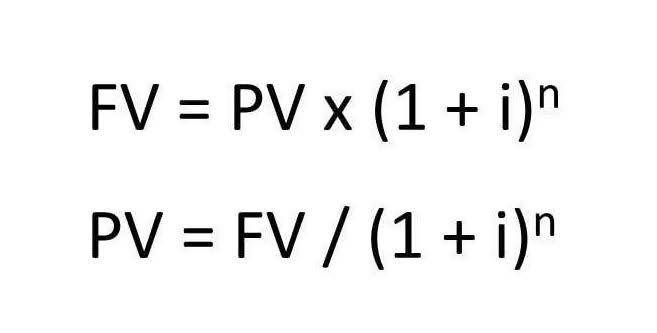
Retained earnings are calculated by adding/subtracting, the current year’s net profit/loss, to/from the previous year’s retained earnings, then subtracting dividends paid in the current year from the same. Typically, financial statements include a statement of retained earnings that sums up how this account has changed in the current period. Conversely, dividends and net losses (when expenses exceed revenue) reduce retained earnings. Retained earnings are the portion of net income that a company keeps instead of paying out as dividends. They’re part of shareholders’ equity on the balance sheet and reflect the company’s accumulated profits over time.
- Profits generally refer to the money a company earns after subtracting all costs and expenses from its total revenues.
- Retained earnings represent the portion of your company’s net income that remains after dividends have been paid to your shareholders, and is reinvested or ‘ploughed back’ into the company.
- Declared dividends are a debit to the retained earnings account whether paid or not.
- For businesses aiming to enhance their financial management, HAL ERP is the perfect partner.
- The retained earnings (or retention) ratio refers to the amount of earnings retained by the company compared to the amount paid to shareholders in dividends.
- They typically increase with profits and decrease when losses occur or dividends exceed earnings.
- The growing retained earnings balance over the past few years could suggest that the company is preparing to use those funds to invest in new business projects.
How to calculate retained earnings – Formula, examples and video
Retained earnings represent a company’s accumulated profits that have not been distributed to shareholders as dividends. Retained earnings are crucial for expanding business activities, acquiring new assets, and developing new products. Retained earnings represent the total profit to date minus any dividends paid.Revenue is the income that goes into your business from selling goods or services.

Retained earnings is the corporation’s past earnings that have not been distributed as dividends to its stockholders. As companies look to strengthen their retained earnings position, technology becomes a critical enabler. This is where an intelligent, integrated system like HAL ERP supports smarter financial practices and sustainable growth. Companies must understand how to calculate retained earnings accurately to leverage them fully. In Saudi Arabia’s evolving sectors, such as education, manufacturing, and logistics, retained earnings enable companies to adapt without relying solely on external financing. This flexibility improves operational resilience and positions the business for long-term success.

The purpose of a balance sheet is to ensure all your bookkeeping journal entries are correct and every penny is accounted for. To build an accurate balance unearned revenue sheet, you’ll need to sort your accounts into short-term (current) and long-term (non-current) categories. This classification helps you assess liquidity, solvency, and overall financial health.